

Desert Online General Trading LLC
Dubai, United Arab Emirates
Desert Online General Trading LLC
Dubai, United Arab Emirates
Full description not available
O**R
Excellent, Limited to title subject
-From a beginners perspective, i found it very clear, well written, organized and illustrated, a newby could construct a basic working system from info provided in this book. However, found it lacking in some info needed to make informed design choices-My first questions are:— What (& how much) can i harvest efficiently in my climate and zone?— Will the harvests from a well designed sys be worth the start-up$ and operating labor?Without enough overview of options to make informed design decisions, more referrals to other works would be helpful (some ARE very helpful)-Look elsewhere for info on fish/ aquatic life-form categories, ecosystems, compatible diversity and specific care info (Granted, this is a giant field, and beyond the scope and focus of this book). Basics of a limited few options are merely glanced at here.-General Overviews of Working examples are still needed to inform our design choices at this early stage.-Outside of obvious climate considerations, any comparison of cold vs. mid-temp vs. tropical would've helped since each water system dictates both veg and protein crops, seasonal & power budget mgmt, all essential info in design choice.-Some Plant basics are here, but i found very little re general succession, rotation, companioning, crop timing, or spacing in these systems. A Root-zone space by plant groupings chart would be great-Examples of working operations and general calendar-crop cycles would be very helpful to understand design - in - actionoverall, pleased, definately recommend
G**T
Great for beginners! Covers parameters of optimally running systems. Is useful for homesteaders and off the grid
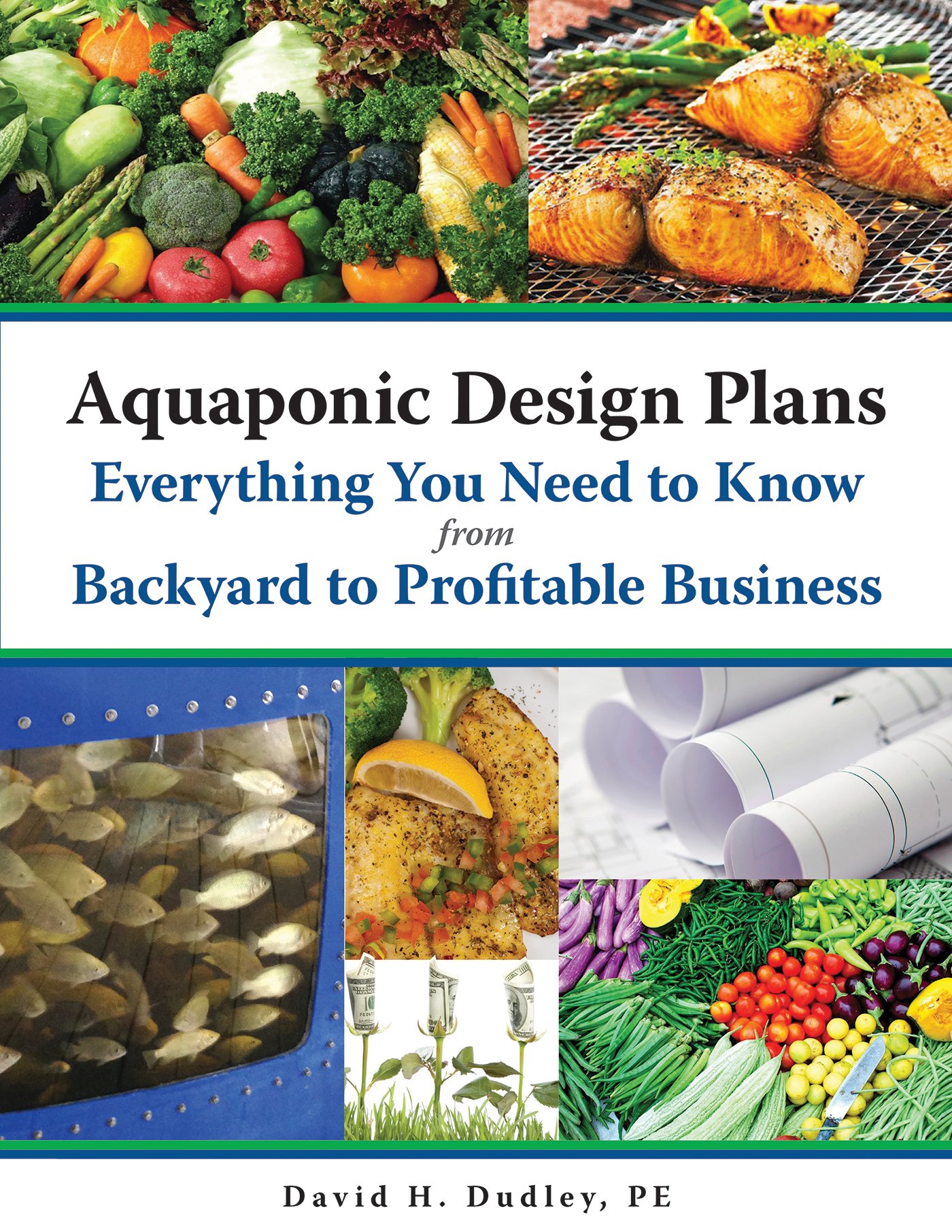
I read Sylvia Bernstein's book a few years ago and realized that it didn't have enough details to make me feel confident in attempting to cobble a system together. This book gives you parameters and specific advice on best practices when designing and operating a system. It'll explain parameters such as how powerful of a water pump you need, the size of piping that you should use, the ranges of different chemicals (nitrate, nitrite, ammonia, oxygen, etc.) that must be maintained to keep the system from collapsing.This book covers Deep Water Culture and Nutrient Film Technique enough to decide whether or not to use those systems, and how one should run those systems. The same goes for types of fish. The book goes more in-depth about Tilapia fish and Flood and Drain media bed systems, providing a few instructions and a part list for building a system.This book is like having a teacher. It's worth the retail value (about $60) because it's like a reliable college textbook.The digital Kindle version is only the first edition of the book (which is still good, and which I also have ;). The second edition (currently only available in paper) has dozens of diagrams, product depictions, tons of informational tables, new tips (like using black soldier fly larvae as first food), aquaponic-safe DIY recipes for bug repellent, even a new section on canning your produce.It's extremely nice and easier to plan when you're able to see what items are being referred to via pictures, opposed to not having them like in the first edition.
M**.
Great aquaponics book
I wish I had found this book last year at this time. I would have changed a few things regarding my aquaponics set up. The author has written a book that I knew most of info, but only because I have been searching the web to find it all. His book has it all in one place. The only major flaw in this book is there are typos and poor grammar in places which throw me. And of course, it makes me wonder if author knows his stuff. However, I would recommend this book to anyone thinking of doing aquaponics as I think it is the best of the ones I have gotten/read. The author seems to know his stuff.And I did not need an expensive course to learn the info. (An aside note, the author is very much against big ag companies, but overlook his commentaries because the book is well worth owning and reading.)
M**H
No good beginner Aquaponic books...but...
There does not seem to be any good Aquaponics books. They are all too general, do not provide adequate beginner instructions, do not provide beginner diagrams for the home user (versus aquaponics farmer).That being said this book is a GREAT resource. Even if you have other books or resources, this book is a MUST have for beginners. It is basically an encyclopedia for Aquaponics. ***Everything you need to know is in this book***It is not the Aquaponics for dummies book, but if you take the time to read it all the information you will ever need is in there.
P**W
Pretty detailed book
Pretty detailed book, given that I am just starting my research it has helped a bit. Every book I get on aquaponics has some tidbit to offer and this one was no different. Not a stand out but definitely useful.
D**N
Comprehensive, practical
I used this to help design my quaponics setup last fall. I used I can totes to build a 250 gal fish tank and three grow beds. I’ve read a half dozen aquaponics books and read/watched a lot that’s available online. This is a comprehensive and well-priced book that will be a good reference if you stick with aquaponics.
T**Y
so satisfied, I had to post
This is the most complete book !!! I will be starting a commercial operation. This book gives me all the info. I also read the Aquaponic Farmer (Great info also) and Aquaponic Gardening (a must for backyard operations). The Aquaponic Design, gives you a deeper reason to do Aquaponics. I haven't finished the book yet, but, so satisfied, I had to post !!!
M**Y
BUY THIS BOOK!
This book is great for both introduction to aquaponics and getting someone in the mindset to grow big enough for a commercial operation. The how-to's and troubleshooting sections look like gold, for when the time comes to set up and operate. If anyone wanted a great read on the topic, I'd recommend it any day. Easy to read and understand at all skill levels.
Trustpilot
1 week ago
1 month ago